
Spotlight on Indie
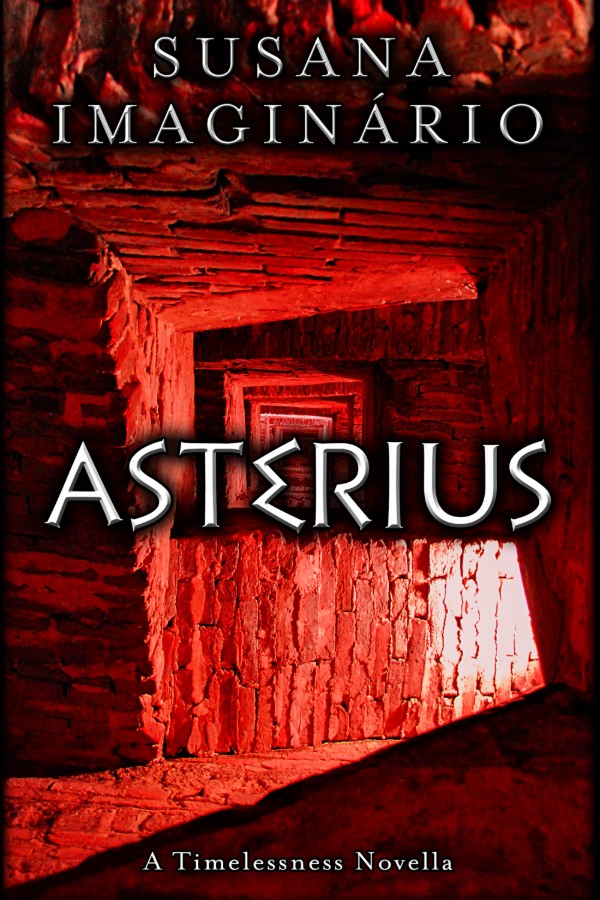
Cover of Asterius
Want to Read

Sign in to build your shelf

Get the book

Timelessness

Asterius

by Susana Imaginário

The Minotaur himself relates to a mysterious listener the events that led to his death in the Labyrinth as he reflects upon the meaning of good versus evil, right versus wrong and monsters versus heroes.

Format
Ebook, Audiobook, Paperback
Published
Dec 2024
Pages
120
Language
EN
ISBN
978-1-7398202-8-2

Content rating

Author-supplied. Hover a meter for the rubric.

Language
2/4

occasional swearing

Violence
3/4

graphic injury/death

Romance / Sex
0/4

None

Biblical Themes
0/4

None

Vibe & themes

What this book is like. Log in to confirm these or flag ones that don’t fit.

Tone

Dark
Bittersweet
Dark Humor

Themes

Survival
Sacrifice
Betrayal

Tropes

Quest
Prophecy
Reluctant Hero/Heroine
Character-driven

Setting

Secondary World
Historical

Pace

Steady

Point-of-View

1st person past

Log in to confirm these tags or flag ones that don’t fit.

Reader reviews

Share your thoughts

Sign in to rate this book and write a review.

Sign in to review
4.5
2 reviews
5
1
4
1
3
0
2
0
1
0
L

Laeth

Jul 6, 2026

Ebook Paperback Hardcover

One of the best books I have ever read, truly.

When I was six or seven someone gave me a book on Greek Myths. I suppose it had the most famous stories, but I remember being obsessed with one in particular, about the Minotaur and his labyrinth. The reason is that the Minotaur terrified me beyond words, to the point of having repeated nightmares of being trapped in the labyrinth, chased by the monster. It got so bad that my mother threw the book away, as I couldn’t help myself from opening the book to that specific page every day. I am relating this because this book is a retelling of that story, and while all these years it was the terror and fright, even if only as memories, that I associated with the Minotaur and his labyrinth, now that I have read this book, my perception of it all is forever changed, and this alone is a testament to how good the book is. The book is what I took to calling ‘revisionist mythology’, which is born from the same impulse as revisionist history: the idea, or suspicion, that something doesn’t quite add up in the conventional narrative, that the basic facts may be correct, but they are presented in a frame that conceals more than it reveals, and that deceives more than it enlightens (I confess Greek Myth always seemed to me to be among the stories most in need of revision). The writer then, using both imagination and reason, pursues the story and tries to make sense of it. In this case, it meant presenting the story from the perspective of the Minotaur, and it is not only expertly written, but it makes much more sense. There are plenty of books presenting a story from the perspective of the villain, but more often than not, and even if they are well written, once we finish the book we can reason back to sanity and realize that it was a trick, that the villain is still the villain, and that we were being led by the hand towards a wrong (and usually evil) conclusion. But this is not the case here. One comes to have sympathy for the monster, but not as monster: in fact, one understands, in the end, that he is probably the least monstruous being involved in the story. And this is not a trick, it is a logical and well thought out conclusion. On the technical aspects of the book, I will mention the great pacing of the story, the sophisticated wit of the dialogue (though I did not care for the cursing, as I felt it out of character, but thankfully it was very sparse), the little philosophical musings and the beautifully rendered sense of tragedy and even bittersweetness to the character of the Minotaur, which as the author points out, no one even remembers the name of - I certainly didn’t, but I will now! But while all this is true, and makes for great reading, I think the most remarkable achievement is that Susana has taken a well known story, told a thousand times and known by everyone, and not only made it more interesting, but also more true, and that is a very rare feat. I finished the book with the sense that, finally, I knew the real story. One of the best books I have ever read, truly.

B

Brian Braden

Jul 3, 2026

Ebook

A must for lovers of ancient myth.

Bottom Line: Asterius by Susana Imaginário is a must-read for fans of ancient mythology, particularly those interested in fresh retellings. This novella is a mythological slipstream retelling of the ancient Greek Minotaur myth. Written in first-person from Asterius (the Minotaur)’s perspective, it stays largely faithful to the original legend while blending speculative and literary fiction. Set in ancient Crete, Asterius—half-man, half-bull—is cursed by the gods and trapped in the Labyrinth beneath King Minos’s palace. His duty is to kill the monthly tributes sent to him. Everything changes when a new group arrives, including the Athenian hero Theseus, who has vowed to slay the monster. As Asterius and Theseus circle each other in the darkness, they discover a shared sense of honor. The story explores whether honor can alter fate. Asterius is portrayed as an intelligent, tragic anti-hero—a skilled “hitman” who takes no joy in killing but accepts his role. Imprisoned by the gods, his family, and fate, he retains his humanity and refuses to see himself as a victim. Theseus appears as a powerful, ambitious demigod driven by glory. Rather than following the traditional hero’s journey into the Labyrinth, the reader experiences events from the monster’s perspective. Neither character is purely heroic or villainous; both are complex individuals trapped by destiny and their own choices. The novella explores betrayal, fate, honor, and the human cost of divine and mortal schemes. Imaginário humanizes the myth with a modern psychological lens without heavy subversion. Instead of a savage beast at the Labyrinth’s center, Theseus finds reason, intellect, and a sanctuary—forcing both characters to confront the consequences of their paths. The climax features powerful dialogue between the two. Imaginário delivers a Greek tragedy with a subtle slipstream feel—blending myth, surreal unease, and psychological depth. She respects the spirit of the original myth, handling dark themes (murder, betrayal, generational sin) with restraint and accessibility rather than graphic excess. The writing is tight, well-paced, and features strong dialogue. The main flaw noted is occasional modern profanity that feels jarring in the ancient setting. Asterius is an accessible gateway to Imaginário’s larger Timelessness series. Highly recommended for lovers of Greek mythology, mythic retellings, and thoughtful fantasy. Susana Imaginário demonstrates strong talent and a bright future in the genre.

No reviews for this format yet.

Discussion

Start a discussion

No discussions about this book yet. Start the first one.

Readers also enjoyed