strong, dark, intense book
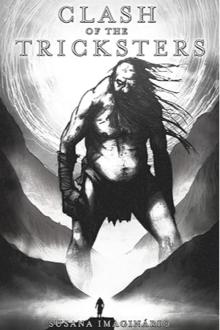
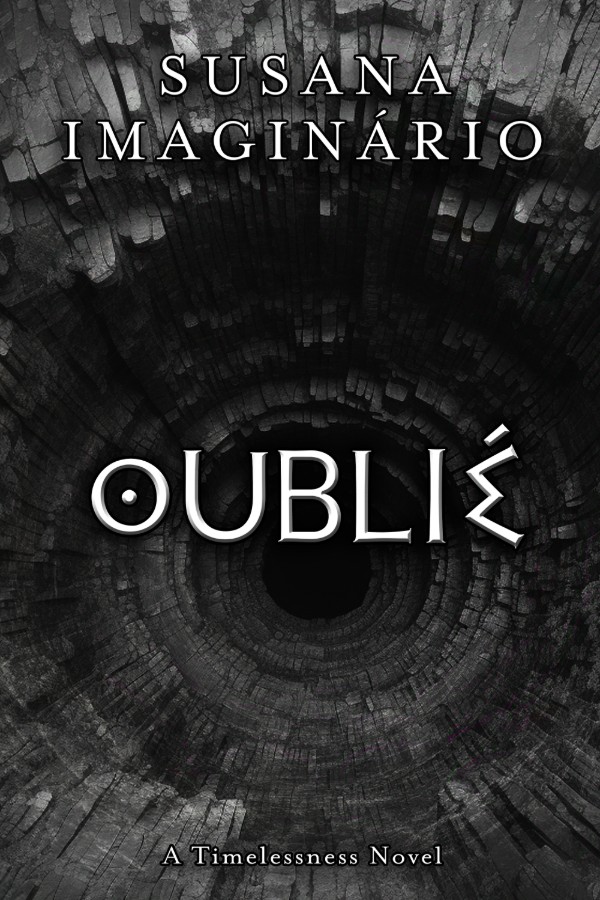
This book is very dark, not only in its themes but also in its mood. It’s a very moody book, especially compared to the other two I read by Susana. While it has humor, especially in its dialogue (something I have come to expect), it is not comic relief, but rather highlights by contrast the desperate place the characters find themselves in. Yet the book also has some beautiful and passionate and even heart warming moments, another thing I have come to expect from this author. It’s an apocalyptic book. Or maybe post-apocalyptic. Two (or is it three?) groups of post humans find themselves stranded in an alien place where normal life is impossible, and survival is difficult. Forced to live in close quarters despite their deep incompatibility, after a long period of struggle and horror they achieve some precarious stability, and now under the leadership of one woman (and one god), they are trying to find a way out of there. From the start, though, you get the sense there’s a trick (or several) being played, but you don’t know who’s playing it. In some ways, this is a mystery book, and you turn the page trying to find out what is actually going on, what’s the real story behind the appearances. Yet it’s also obvious from the start that it’s a doomed project, and nobody knows what to do really, or if it’s worth doing, and that their time is limited. And that’s because… they all lost their memories. The theme of memory, and what it means for a person and a group of people to live without them, to know not where they came from, or really who they were, and why they are there, and trying to make sense of new things without the benefit of acquired learning and experience. I won’t wax poetic or philosophical about it, the book is very much both of those things already. It’s one of the things one comes to expect from Susana’s books, and this one does not disappoint. Not having read the Timelessness series I cannot judge how well it is crafted to be a standalone book, or how it fits entirely with the others. There are some expository paragraphs to give context, but they were not too cumbersome. My favorite thing about the book was the character Jolyan. She, who is part of the least civilized group (to put it in the mildest manner possible) in the book, is the only one with actual wisdom, and charity, and understanding. This was a masterful narrative stroke, because it gives contrast to everything else, it holds a mirror to every other character. And it’s so well written and moving. One could say that in the midst of all these different post humans, she is the only truly human one, holding on to a shred of innate decency the others have lost. In short, a very strong book, as I have come to expect.