Declan Finn
Jul 15, 2026
Character and world building in abundance
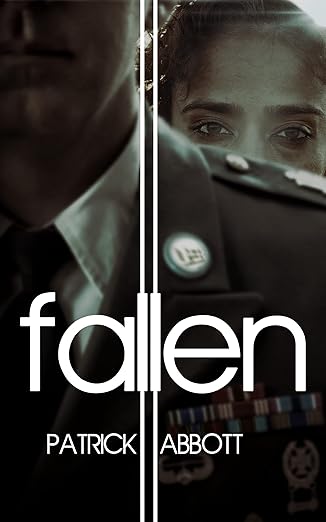
In the world of Fallen, aliens arrived at Earth five years before chapter one. Instead of taking over or invading, the Sabia were mostly just … there. Sabia reps would occasionally trade with certain countries, and be generally friendly, but otherwise, they keep to themselves. Veteran Brendan Murphy, now a desk jockey at the Pentagon, is trapped in a day-to-day drudgery that would be suicide inducing, even if he didn’t have PTSD. When Brendan encounters a terrorist attack against Sabia diplomats on his way home from work, he sees red and goes full Patriot Games,1 rushing in to stop the terrorists. Despite saving the day, Brendan is promptly blown up for his efforts, riddled with shrapnel and losing a hand. Luckily for Brendan, the Sabia response is immediate. He wakes up on the Sabia ship, fully repaired, and complete with a brand new hand. In response to his life-saving actions, the Sabia want Brendan to be an intelligence liaison to the Sabia,2 attached to the United States embassy to the Sabia, on their ship. But Brendan comes with his own troubles, both personal and professional. He has conflicting orders from the Pentagon, the embassy, and the Intelligence agencies, exacerbating his PTSD and ramping up his paranoia. He has been transferred to the wilderness of mirrors. Over the course of his job, he has to be an impromptu diplomate, cultural translator, negotiator, playing the art of the deal, all on top of his actual day-to-day open sources assessment. He has to deal with hostage situations, conflicting stories from his own people, as well as the complexities of interacting with an alien race. The alien civilization is entirely classified, and Brendan is supposed to break through that wall. But back in Afghanistan, he was part of tribal relations, so if anyone is prepped for this job, it’s Brendan. Meanwhile, Brendan is spending a little more time with his Sabia doctor than is professionally warranted. When complications develop from the Sabia’s life-saving efforts, his life is about to change forever. Fallen has a lot of character introspection without the naval-gazing you’d usually expect. But Fallen is both surprisingly character-driven, and plot heavy as the same time. Think of it as a John le Carre espionage novel, only with aliens and a moral center. Patrick Abbott has chosen to skip past any potential action set pieces, to move straight to the aftermath of each engagement. Much of Fallen deals with Brendan Murphy’s internal conflicts, as well as the other loyalties pulling at him from every direction. Surprisingly, Abbott doesn’t have many in the way of character details. Normally, that interferes with my reading and makes it difficult for me to track characters. However, it wasn’t a problem here. Abbott balances out a lot out of elements here, and it’s very impressive. Fallen covers elements of philosophical thought, some religion, on top of the plot and character. Everyone has their own agenda. Everyone has their own vices. And everyone is hiding something important. And no one and nothing about the Sabia is exactly what they appear to be. As Abbott is also a veteran, I can only presume that the PTSD and dealing with the military and intelligence bureaucracies are so well-written because they’re either very well-researched, or from firsthand experience, or both. Fallen is a solid, character-driven work of someone trying to survive the insane policies of a world gone mad, while falling into an alien culture. Dune might have tried to do it well, but Fallen did it better.