Dan Hogan
Nov 24, 2026
Maybe the Real Civilization We Built Were the Friends We Made Along the Way?
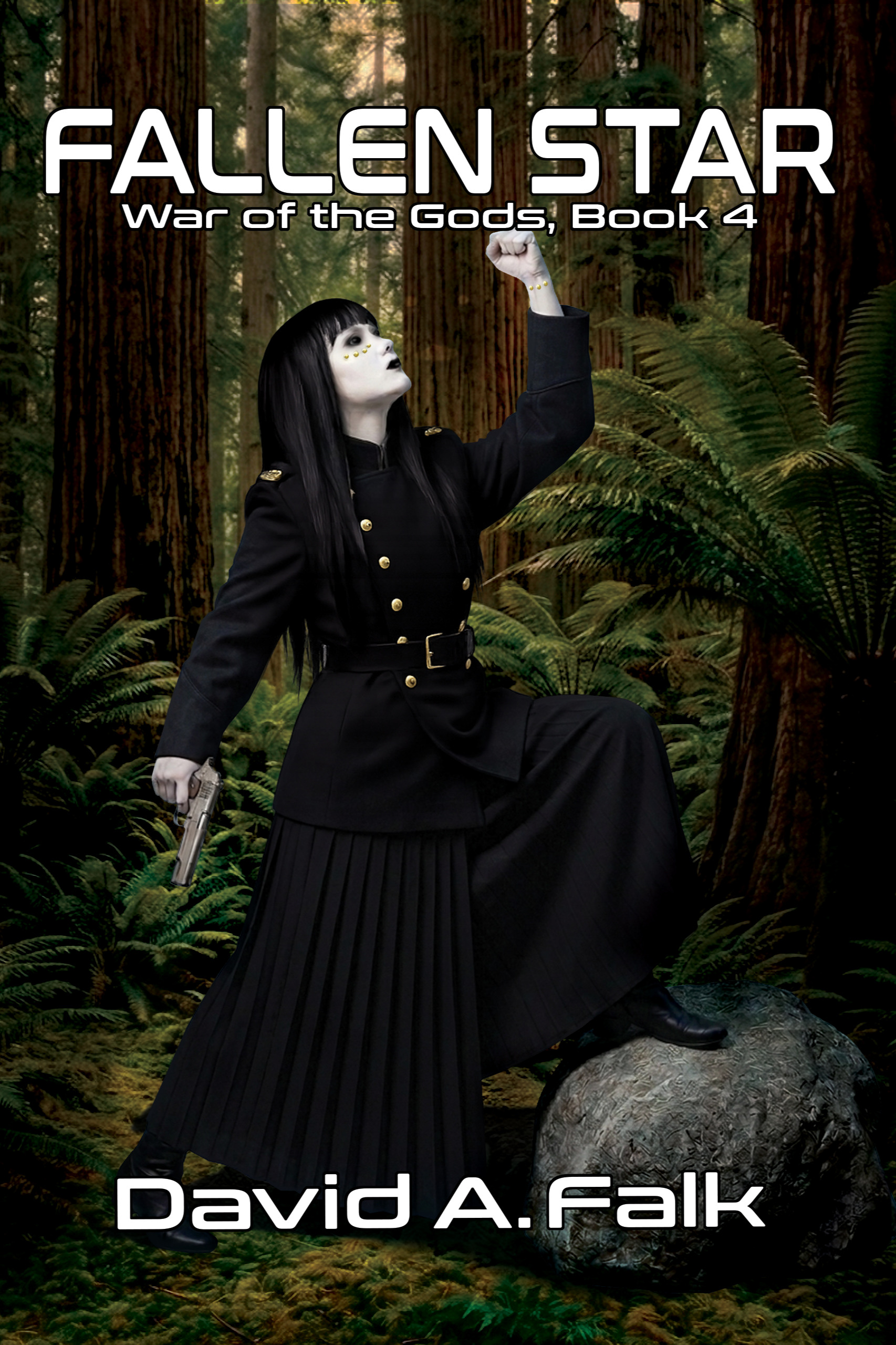
Four books into David Falk's War of the Gods Series, I thought I had figured the series out. I thought wrong. While this is Book 4 in the series, it honestly works just as well as a launching-off point as the connection to previous installments is mostly tangential. The premise is simple -- an android from an intergalactic civil war crash lands on a primitive forest planet inhabited by simple frog people--and, you know, dinosaurs. In order to get off the planet, she must help accelerate the civilization from the neolithic to the space age to get back into the fight. Things I liked - - There's a reason "enemies-to-friends" is a trope for the ages. Harko's growth from disdain from the froglike Pegget to their ally is deeply rewarding and a pleasure to read. I fell in love with "Sam," the central Pegget and his family. I laughed, celebrated, and cried with him and his frog family. Very endearing characters all around. - For fans of Book 1, this book is a return to form. Books 2 and 3 are a fun exploration of artificial intelligence, but part of what made Book 1 fun was its Andy-Weir-like application of science to solve conflicts in the plot. For Book 1, it was archeology. For Book 4, it's anthropology. Whether it's inventing a bow and arrow, analyzing primitive death rituals, or bronze smelting, I found the applied anthropology and civilization-building to be a highlight of the novel. - For fans of the series, while this story does not necessarily directly move the ball forward in the War of the Gods with the central cast we already know, the world gets deeper and the conflict gets wider. I found the developments intriguing and exciting. - Did I mention there are dinosaurs? Things that didn't quite work for me - - Because Harko's story begins very media-res, in the middle of the action as she crash lands on the planet, I was left wondering a little about her backstory and what her role in the war was before she crashes. There are bread crumbs here and there, but especially because she is from the OPPOSITE faction of most of the heroes from Books 1-3, I was left with nagging questions. Sometimes this was good, as I wanted more. But other times it was distracting because I was preoccupied with questions about Harko's past that were taking my attention away from her present. Hopefully Falk fleshes some of this out in Books 5, 6, and 7, which he has announced at the time of this review are in the drafting stages. - The book is still clearly an indie book with a shoestring budget. While the sentence-level issues in the prose from Books 1-3 are still present, they're indeed an improvement from previous installments. - No spoilers, but I would have preferred a little more show, and a little less "tell" in the climax of the novel. Overall, if you're into Civilization-building, creature-features, or classic enemies-to-allies stories, this book is for you. A great addition to the series, but also a great launching point for new readers.